



6 Healthcare Takeaways from Last Week’s State of the Union
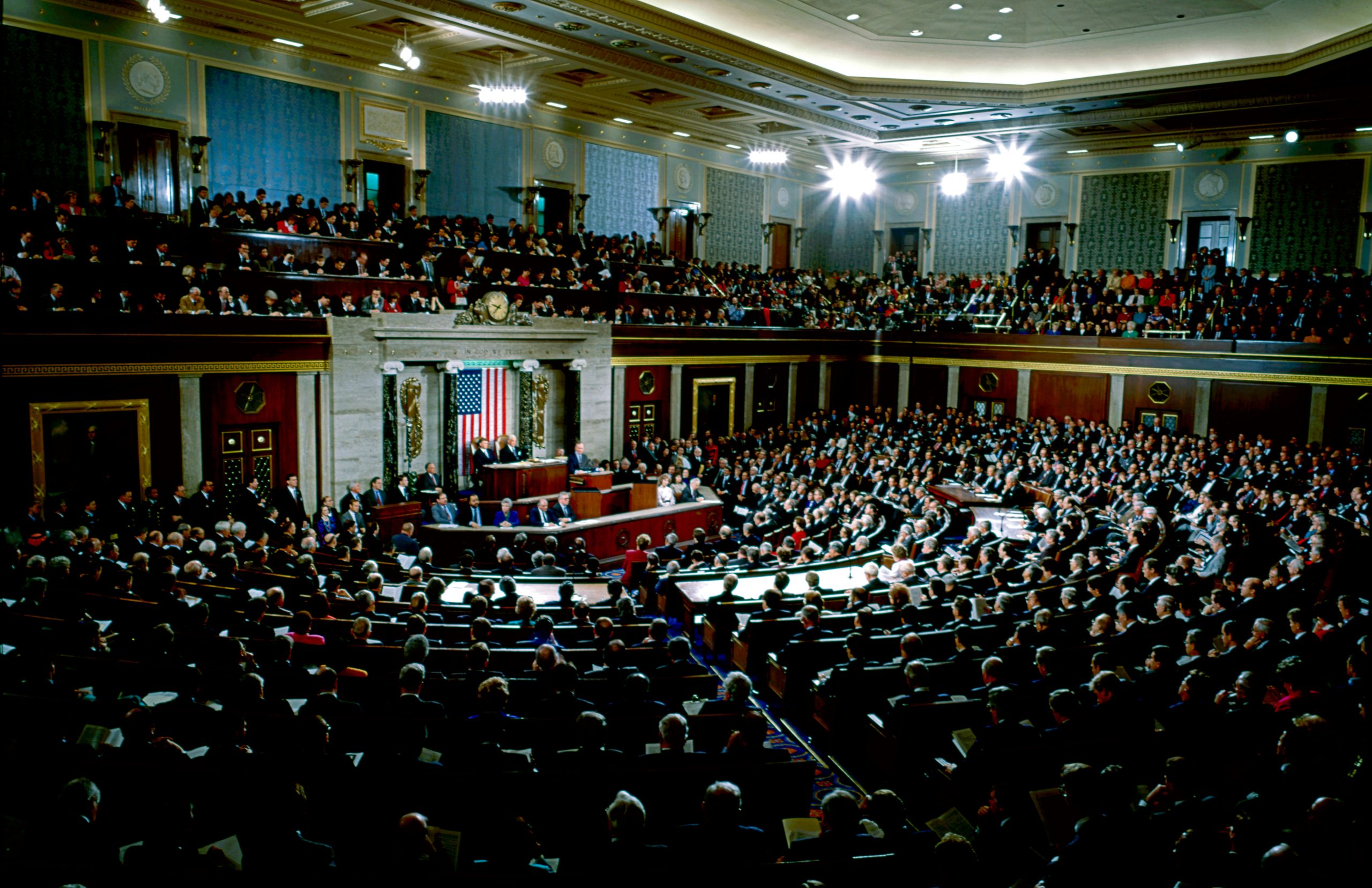
Last week’s State of the Union address included several healthcare-related policy updates and proposals that could shape the industry in the coming years. While the speech covered a wide range of economic and policy priorities, healthcare remained a central theme — particularly around insurance affordability, prescription drug pricing, and federal program oversight.
Below are six key healthcare takeaways from the address and what they could mean for patients, providers, and the broader healthcare system.
1. Expiration of ACA Premium Subsidies and New Policy Proposals
The administration noted that the enhanced premium subsidies created under the Affordable Care Act (ACA) have expired. These subsidies, originally expanded during the COVID-19 pandemic to help reduce marketplace premiums, had provided additional financial assistance to millions of Americans purchasing insurance through ACA marketplaces.
During the speech, the ACA was again criticized as the “Unaffordable Care Act,” with particular attention placed on rising insurance premiums and the role of large insurers in the system. As an alternative, the administration suggested policy approaches that would shift federal healthcare funding more directly to consumers.
One proposal involves providing federal healthcare dollars directly to individuals rather than routing funds through insurers or traditional programs. The administration also emphasized the need for greater healthcare pricing transparency, arguing that clearer pricing information could help consumers make more informed decisions about their care.
2. Launch of the TrumpRx Prescription Drug Platform
Another major announcement highlighted in the speech was the rollout of TrumpRx.gov, a federal platform launched on February 5 aimed at promoting discounted prescription drug prices.
The website currently lists 43 brand-name medications with negotiated discounts based on “most-favored-nation” pricing agreements with pharmaceutical manufacturers. Under this structure, U.S. consumers could potentially access prices comparable to those negotiated in other developed countries.
During the address, the president referenced a consumer who reportedly saved significantly on an IVF medication through the program. The administration has framed TrumpRx as an effort to give patients more direct access to lower cash prices on certain drugs, particularly for individuals without insurance or those paying out of pocket.
The president also urged Congress to formally codify this pricing model into federal law to expand the program’s reach and sustainability.
3. Increased Focus on Medicaid Fraud
Another prominent theme in the healthcare portion of the speech was a renewed focus on fraud within government healthcare programs — particularly Medicaid.
The administration emphasized what it described as a “war on fraud,” citing examples of alleged misuse of Medicaid funds and pointing to specific concerns raised in states such as Minnesota. While details of proposed enforcement actions were not extensively outlined, the comments signal a likely increase in oversight and investigations into Medicaid spending.
At the same time, the administration reiterated its support for Medicare and Social Security, emphasizing that these programs remain key components of the federal safety net for older Americans.
4. Tariffs and Healthcare Cost Discussions
Although tariffs are typically associated with trade policy, they were also mentioned in connection with healthcare affordability.
The administration argued that increased tariffs on foreign goods could generate federal revenue that might offset other taxes and help reduce financial pressure on American households. In the speech, tariffs were framed as a potential mechanism to strengthen the U.S. economy and indirectly ease economic burdens — including healthcare costs.
While the relationship between tariffs and healthcare affordability remains debated among economists and policymakers, the comments suggest that broader economic policy may increasingly intersect with healthcare policy discussions.
5. Proposed Retirement Plan Expansion
Healthcare affordability is often tied to financial security in retirement, and the speech included a proposal aimed at expanding retirement savings options.
The administration proposed creating a new retirement plan option for Americans who do not have access to employer-sponsored retirement plans. The concept is modeled after retirement programs available to federal employees.
Under the proposal, eligible participants could receive up to $1,000 in annual matching contributions, intended to encourage savings and provide additional financial stability in retirement.
While not a healthcare policy directly, retirement savings and healthcare costs are closely linked, particularly as medical expenses represent a significant portion of spending for older adults.
6. Implications of the “One Big Beautiful Bill Act”
The speech also referenced benefits tied to H.R. 1, known as the “One Big Beautiful Bill Act.” According to the administration, the legislation includes tax cuts and expanded tax credits designed to stimulate economic growth and provide financial relief for Americans.
However, healthcare policy analysts have raised concerns about potential downstream effects on hospitals and insurance markets. Some projections suggest the law could significantly reduce hospital revenues, particularly if changes to federal healthcare funding structures alter reimbursement levels.
Additionally, analysts have noted that broader policy shifts tied to the legislation could influence Medicaid coverage levels and insurance premiums, though the full impact remains under review.
Looking Ahead
Healthcare policy remains a central area of focus for federal lawmakers, and the State of the Union highlighted several proposals that could shape future debates.
From prescription drug pricing initiatives to potential changes in federal program oversight, the coming months will likely bring further discussion around affordability, transparency, and the role of government in healthcare markets.
For patients, providers, and industry stakeholders alike, these developments signal a continued push toward policy changes that could impact how healthcare is accessed, financed, and delivered across the United States.
MG Insurance works with individuals, families, and employers to help navigate health insurance options, Medicare coverage, and supplemental benefits designed to fill gaps in traditional plans. Their team focuses on helping clients evaluate coverage choices, understand cost drivers, and select plans that align with their healthcare and financial goals.
If you have questions about how recent healthcare policy discussions could impact your coverage or your organization’s benefits strategy, contact MG Insurance to schedule a consultation and explore your options.